STL Home Buyer Journey
George Kindler
13 Years Of Real Estate Experience At Your Fingertips
If you've been following the St. Louis housing market lately, you've probably heard the same advice over and over again: just wait. Wait for mortgage rates to come down. Wait for inventory to improve. Wait for prices to cool off. But after more than 250 transactions and thousands of home showings across St. Louis, I've noticed something that rarely gets discussed in market reports. The biggest problem facing many St. Louis buyers may not be mortgage rates. It may be each other.

One of the most common questions I hear is: should I buy now or wait? It's a fair question. Mortgage rates remain higher than many buyers would prefer. Housing affordability has become a challenge. Headlines continue to predict what the Federal Reserve may do next.
As a result, many buyers have moved to the sidelines waiting for a signal. The problem is that they're not alone. Thousands of other buyers are watching the same headlines, waiting for the same rate cuts, and hoping for the same opportunity. That's where things get interesting.
Most buyers assume lower rates automatically make buying easier. Sometimes the opposite happens. When rates fall, monthly payments improve. More buyers qualify. More buyers decide it's finally time to move. Demand increases. Showings increase. Competition increases. The same rate cut that helps one buyer often helps thousands of buyers.
That's why many people asking "Will home prices drop in St. Louis?" may be focusing on the wrong question. The better question may be: what happens when everyone waiting for lower rates enters the market at the same time? Housing markets are driven by people, not just numbers. And people tend to move in herds.
Want to run the numbers yourself? The STL Home Buying Power Calculator shows exactly what you can afford based on your income, debt, and down payment — before rates change anything.
Think back to every spring market in recent memory. The market didn't suddenly become cheap. Mortgage rates didn't collapse overnight. Inventory didn't double. Yet competition exploded. Why? Because buyer confidence changed. More buyers felt comfortable moving forward. That confidence created more showings, more offers, and more competition.
The market itself wasn't dramatically different. Buyer behavior was. This is one of the biggest blind spots in traditional housing market forecasts. Most reports focus on inventory, prices, and interest rates. Those matter. But buyer psychology matters too. Sometimes a lot more.
Another reason buyers feel confused is because inventory numbers don't tell the entire story. Technically, inventory has improved compared to the extreme lows of previous years. Yet many buyers still feel like they have limited choices. How can both things be true? Because there are really two housing markets operating at the same time.
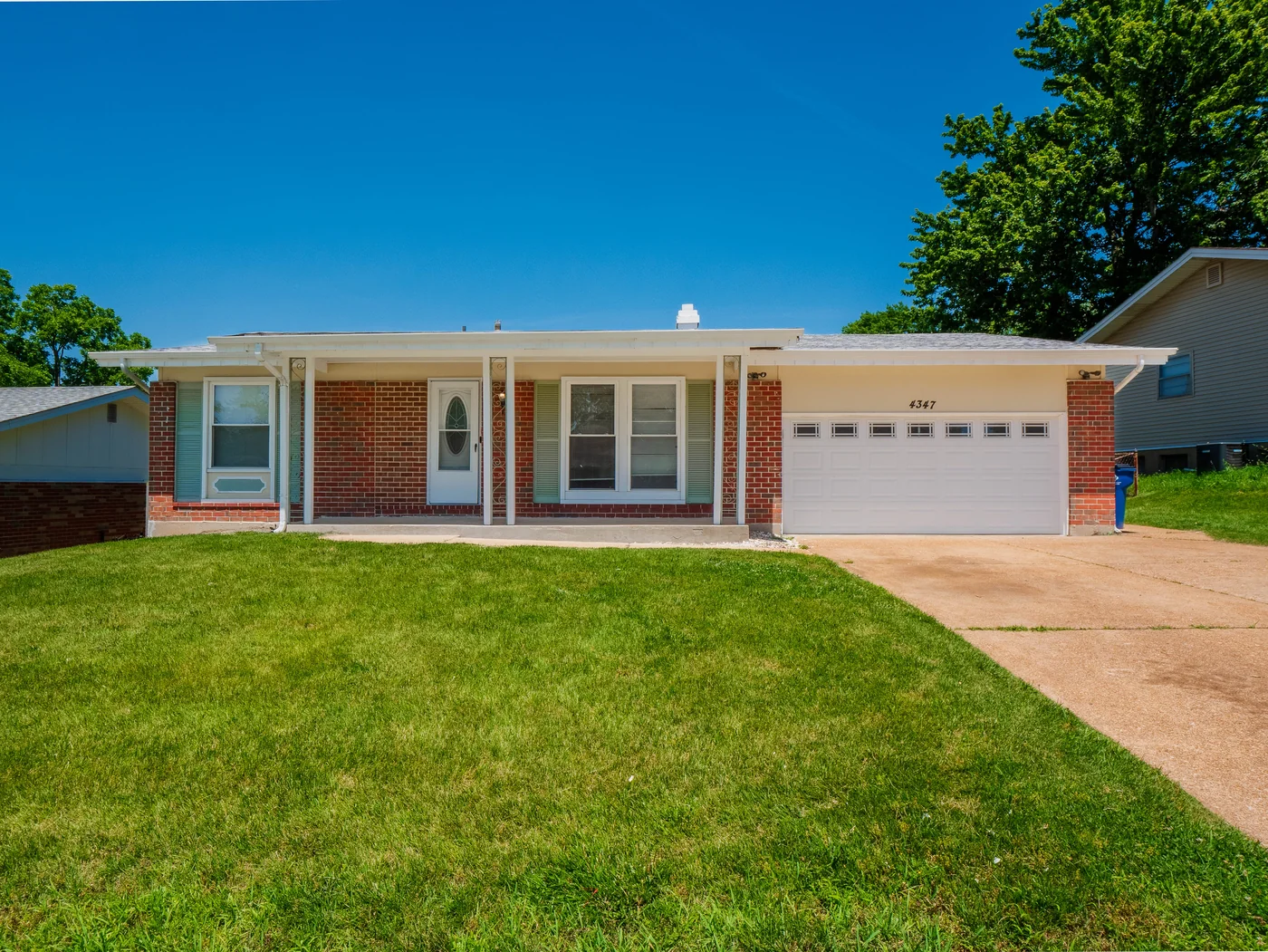
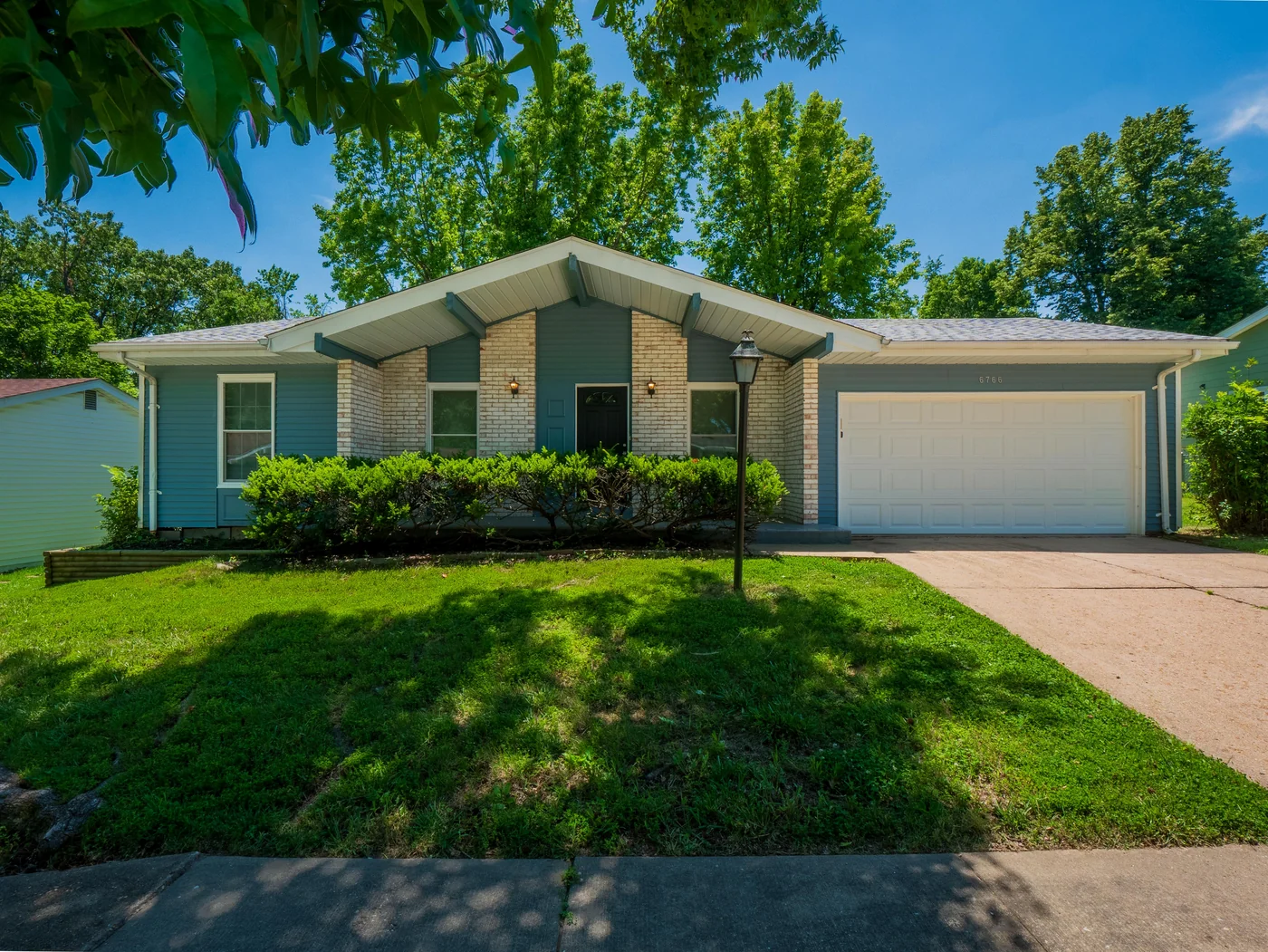
These are the homes buyers actually want. Updated kitchens. Updated bathrooms. Solid roofs. Modern systems. Little or no deferred maintenance. These homes continue to attract attention quickly because buyers value certainty. In many parts of South County, Oakville, Affton, Mehlville, Arnold, and St. Charles County, move-in-ready homes can still generate multiple offers when priced correctly.
The average price of move-in-ready homes in St. Louis varies dramatically by area — from under $220K in Lemay to over $600K in Kirkwood. Understanding that spread is the starting point for every buyer's search.
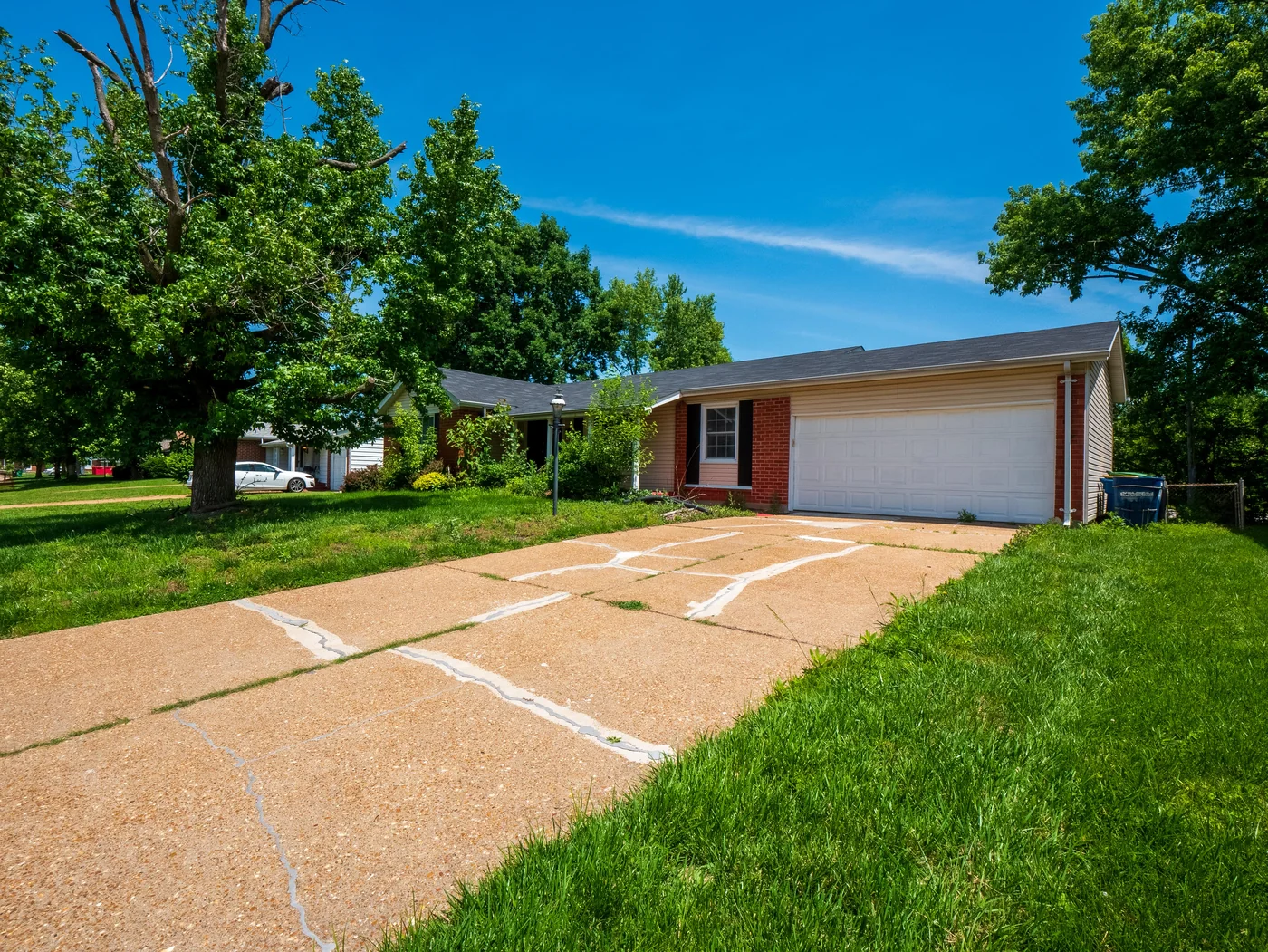
This is where much of the inventory growth is occurring. Older roofs. Older HVAC systems. Outdated interiors. Deferred maintenance. Many buyers are simply unwilling or unable to take on major projects in today's environment. As a result, these homes often sit longer, experience price reductions, and contribute to rising inventory counts. This is why housing inventory in St. Louis can increase while desirable homes still feel competitive.
Many buyers read headlines suggesting inventory is improving and assume finding a home should be easier. Then they start touring. Suddenly they're competing for the same move-in-ready properties as everyone else. The inventory numbers are technically correct. But buyers don't purchase statistics. They purchase homes. And the condition of those homes matters.
Today, buyers are often paying premiums for certainty rather than square footage. A newer roof. A newer HVAC system. An updated kitchen. A home that doesn't immediately require $20,000 to $40,000 in repairs. That certainty has become extremely valuable. Understanding what $300K, $450K, and $600K actually buys in today's St. Louis market is one of the most useful things a buyer can do before starting a search.
This question appears in search results constantly. The answer is more nuanced than most headlines suggest. Some homes are seeing price reductions. Others are selling quickly. Some neighborhoods remain highly competitive. Others have slowed. The market isn't moving uniformly. Condition matters. Location matters. Price point matters.
A well-maintained home in a desirable neighborhood may experience a completely different outcome than a similar-sized home with deferred maintenance only a few miles away. This growing gap between move-in-ready homes and fixer-uppers is one of the most important trends buyers should be watching right now.
The honest answer depends less on what rates do next month and more on your personal situation. Can you comfortably afford the payment? Do you plan to stay long enough to absorb transaction costs? Have you found a home that fits your needs? Those questions often matter more than trying to perfectly predict the market.
Because nobody knows exactly what rates, prices, or inventory will do over the next twelve months. What we do know is that when large groups of buyers wait for the same signal, competition often returns quickly. And sometimes the biggest risk isn't buying before everyone else. It's buying with everyone else.
Mortgage rates matter. Inventory matters. Home prices matter. But if you're trying to understand the St. Louis housing market, don't ignore the human side of the equation. Thousands of buyers are currently watching the same economic signals and waiting for the same opportunity. If that opportunity arrives, they may all move at once.
That's why the biggest challenge for many St. Louis buyers may not be rates. It may be the crowd waiting right beside them.
Most buyers focus on mortgage rates. The bigger question is how rising prices, rent payments, inventory quality, and future competition affect your situation.
Both are designed specifically for St. Louis buyers.

Waiting for rates to drop may not reduce competition — it could increase it. When rates fall, thousands of buyers who were waiting tend to enter the market simultaneously, driving up competition and prices. The question isn't just what rates do, but what other buyers do when rates move.
Some homes are seeing price reductions — particularly those needing significant work. Move-in-ready homes in desirable areas continue to sell quickly and with competition. The market is not moving uniformly; condition, location, and price point determine outcomes more than broad market trends.
The answer depends more on your personal situation than on market timing. Can you comfortably afford the payment? Do you plan to stay long enough to absorb transaction costs? Have you found a home that fits your needs? Those questions often matter more than predicting what rates or prices will do next month.