
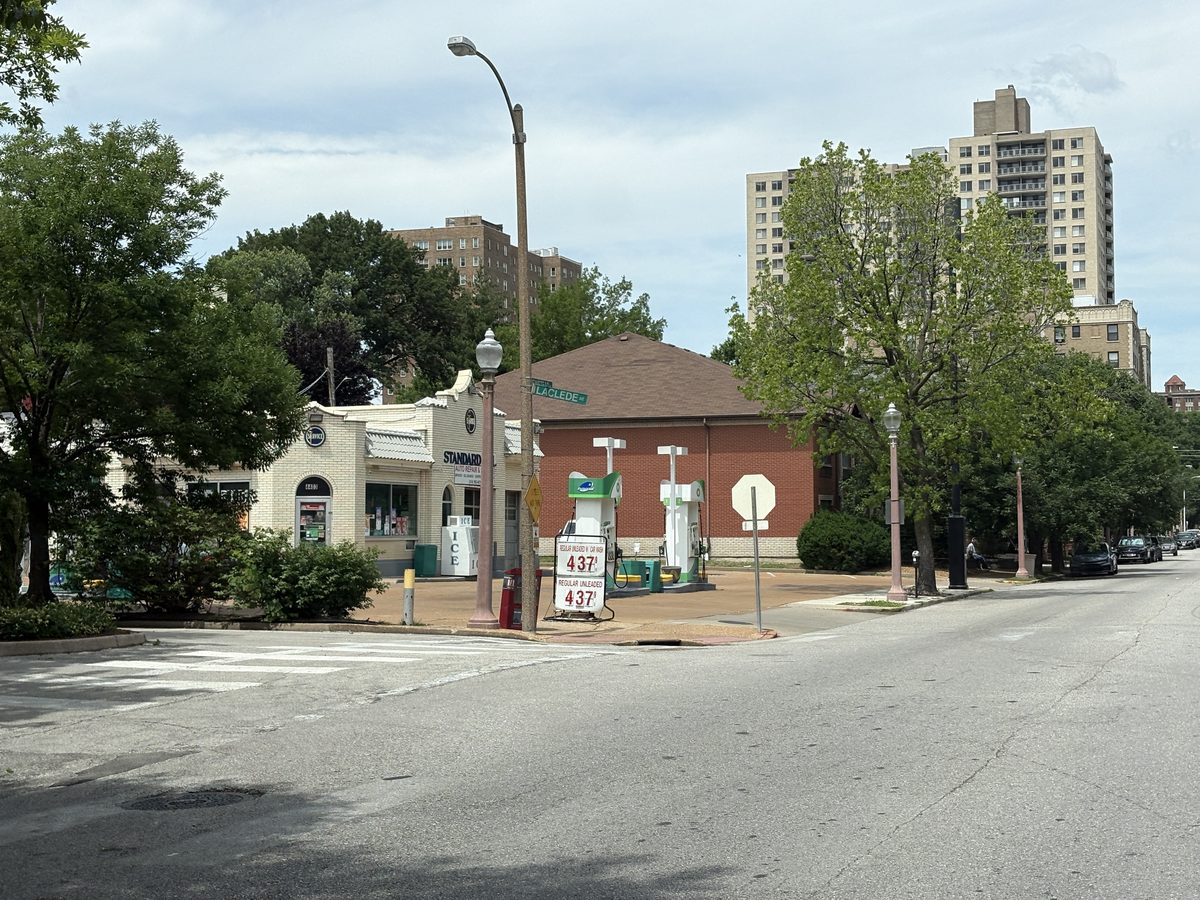
Central West End, St. Louis.
Historic private streets, major institutions, and immediate access to Forest Park. The Central West End is one of the city's deepest demand pools for buyers who want an urban address without giving up beauty or convenience.
Schools in Central West End, St Louis
School district assignment in this area affects both buyer demand and long-term resale. Buyers with school-age children — or with future resale in mind — should verify which district serves the specific property address before committing. District boundaries do not always follow city or neighborhood lines.
⚠ School boundaries can vary by exact property address. Verify assigned schools directly with the district, county records, or your buyer agent before writing an offer.
Fixer Upper vs. Move-In Ready
School district confirmed. Now the real question — what does your budget actually buy here on both paths? The comparison tool shows which St. Louis neighborhoods offer a genuinely equivalent home within 5% of the same total cost. FHA, VA, and conventional math included.
Historic, Dense, and Still One of the City's Benchmark Addresses
The Central West End is not an "up-and-coming" story. It is already established. The draw is the combination: architecture with real pedigree, a denser commercial core than most St. Louis neighborhoods, and direct adjacency to Forest Park.
If you're looking for the pure suburban version of ease, this is not it. Parking can be tighter, condo and HOA decisions matter, and block-by-block differences are real. But if you want a neighborhood that feels unmistakably urban and still anchored by major cultural and medical institutions, this is one of the strongest addresses in the metro.
The best buyers for the CWE usually know they are paying for location, walkability, and access first — and then choosing between historic houses, condo buildings, and smaller multifamily options inside that framework.
Verified Context That Actually Helps
George's read: The honest read: Central West End demand holds up because it offers something hard to duplicate in St. Louis — a true urban neighborhood next to a major park and major institutions, without feeling generic.
Forest Park on One Side, the City Core on the Other
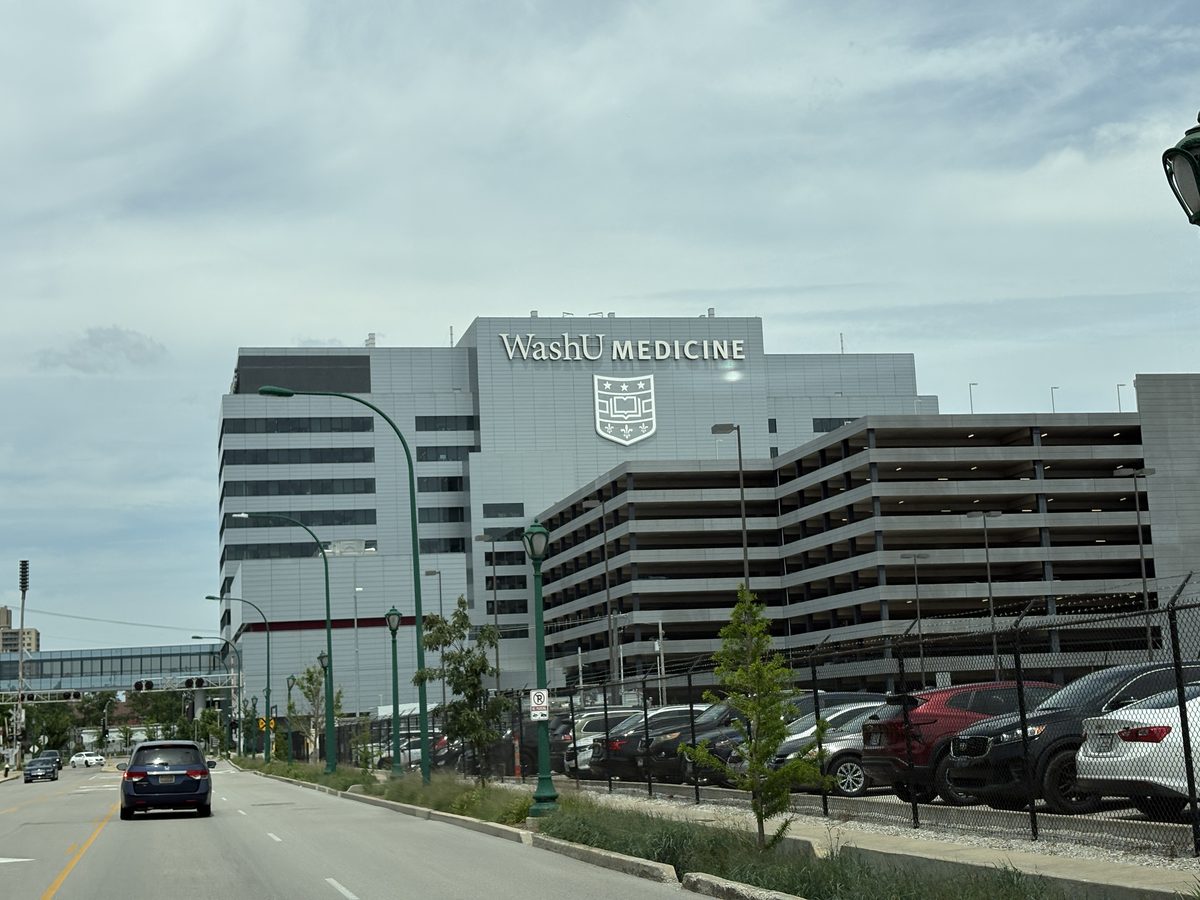
City history for the neighborhood ties its rise directly to the development of Forest Park in the late nineteenth century. The official overview notes that by 1888 the area had expanded to include Central West End streets such as Lindell Boulevard, along with the grand private places that still shape the neighborhood's identity today.
That matters because the Central West End is not just a residential pocket. It sits near Forest Park, major medical campuses, and one of the city's most active mixed-use corridors, which is why buyers who relocate from outside St. Louis often gravitate here quickly.
What Buyers Actually Find Here
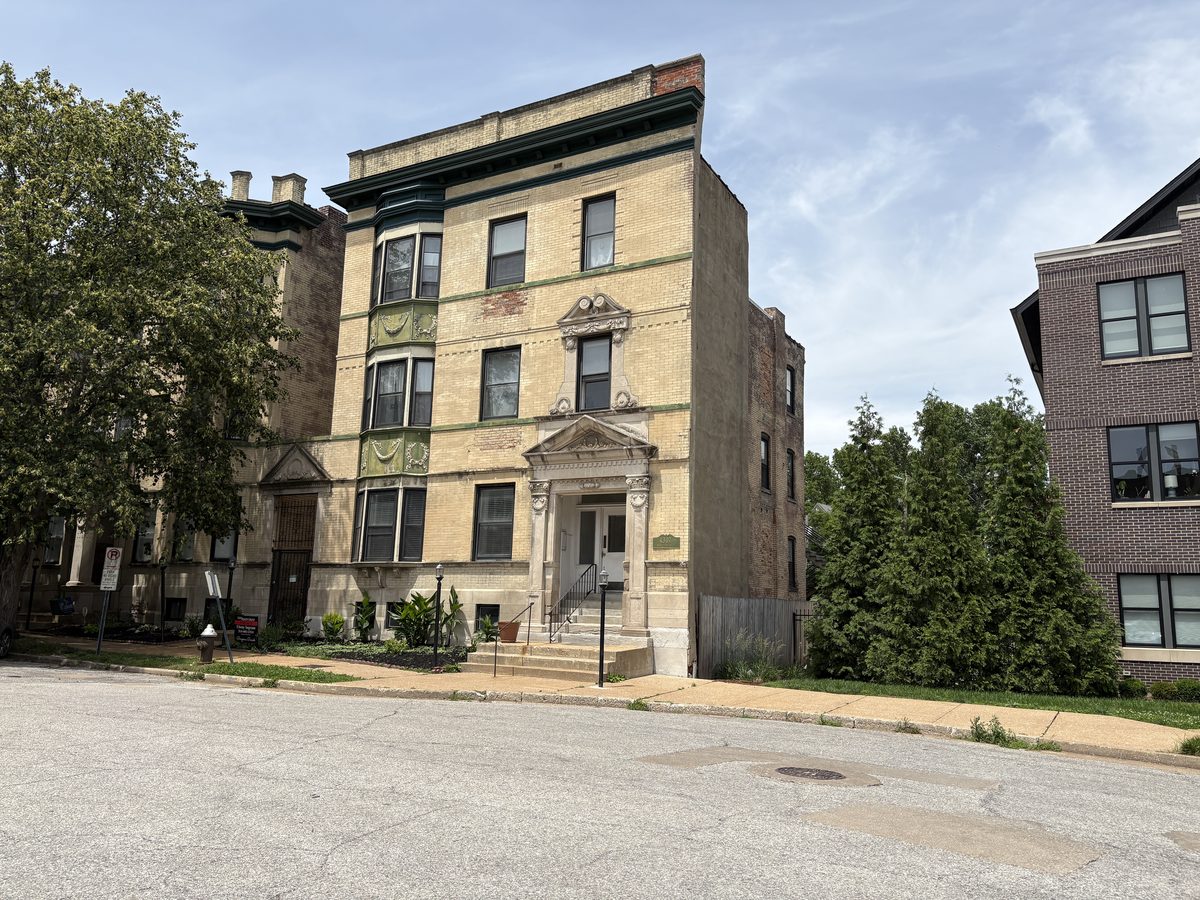
Inventory in the Central West End is broad by city standards, but not simple. A buyer here may be comparing a historic condo, a fee-simple townhouse, a classic apartment building conversion, or a detached house on a quieter block.
That variety is the advantage and the challenge. The neighborhood rewards buyers who can compare HOA structures, parking arrangements, building maintenance, tax exposure, and renovation quality instead of just square footage. It is not the place to buy casually.
The upside is clear: if your search is centered on architecture, park access, and an urban lifestyle that still feels anchored, the Central West End belongs near the top of the list.
See where neighborhood choice fits inside the affordability chapter.
Review the inspection chapter before you commit to an older house.
The Buyer Profiles That Usually Click Here
Grew up in South St. Louis, lived in Dogtown for 6 years, now in South County. You'll find us at White Flag Church on Sundays. This is my city, and I know it well.
Questions Buyers Ask Before They Commit
Where is the Central West End in St. Louis?
It is a City of St. Louis neighborhood on the east side of Forest Park. The city's overview ties the neighborhood's growth directly to Forest Park and streets such as Lindell Boulevard.
What is the Central West End known for?
It is known for historic streetscapes, proximity to Forest Park, and a dense urban mix of residential buildings, institutions, and commercial activity.
Is the Central West End a city neighborhood or a suburb?
It is a neighborhood within the City of St. Louis, not a separate municipality.
What kind of housing stock do buyers see there?
Buyers typically see a mix of historic houses, condos, and multifamily buildings rather than one uniform housing type.
Why do buyers compare the CWE with Clayton?
Both appeal to buyers who want strong location value and a more central address, but the CWE reads more urban and architectural while Clayton reads more municipal and office-core oriented.
Want the blunt version of whether Central West End, St. Louis fits your budget?
No generic pitch. Just a straight conversation about price point, block-by-block fit, and what you would be giving up or gaining here.
Call George · 314.435.1087 Run Affordability FirstComplete St. Louis Home Buyer Guide
From pre-approval to closing day — see the complete buying process with all resources organized by stage.
📚 View Complete Guide