
Dogtown, St. Louis.
A high-recognition local name built around Clayton-Tamm, Franz Park, and Hi-Pointe — with Forest Park access, brick housing, and a neighborhood identity that is stronger than its formal map label.
Schools in Dogtown, St Louis
School district assignment in this area affects both buyer demand and long-term resale. Buyers with school-age children — or with future resale in mind — should verify which district serves the specific property address before committing. District boundaries do not always follow city or neighborhood lines.
⚠ School boundaries can vary by exact property address. Verify assigned schools directly with the district, county records, or your buyer agent before writing an offer.
Fixer Upper vs. Move-In Ready
School district confirmed. Now the real question — what does your budget actually buy here on both paths? The comparison tool shows which St. Louis neighborhoods offer a genuinely equivalent home within 5% of the same total cost. FHA, VA, and conventional math included.
A Local Brand More Than a Single Census Label
Dogtown matters in St. Louis because buyers search for it whether or not the city's official neighborhood map uses that name. In practical terms, locals usually mean the Clayton-Tamm, Franz Park, and Hi-Pointe area west of Kingshighway and south of Forest Park.
The city's own neighborhood materials support that broader reading. Franz Park is described as one of the three neighborhoods that comprise what is informally known as Dogtown, and Hi-Pointe notes that many people still refer to the area as part of Dogtown.
So the real task for buyers is not asking whether Dogtown exists. It does. The task is understanding which part of Dogtown fits them best.
Verified Context That Actually Helps
George's read: Dogtown's value is clarity in local culture: the name has real search power, even though the official map breaks the area into smaller neighborhoods.
What Dogtown Usually Means
Clayton-Tamm, Franz Park, and Hi-Pointe are the three city neighborhoods most often grouped under the Dogtown name. City pages describe Franz Park as one of the three neighborhoods that make up what is informally known as Dogtown, and Hi-Pointe notes the same regional identity.
That area sits beside Forest Park and grew through clay mining and fire-brick manufacturing history, which still explains some of the housing stock and lot patterns buyers see there today.
What Buyers Actually Find Here
Dogtown buyers are usually chasing one of two things: a neighborhood with strong local identity, or a city address close to Forest Park without jumping all the way into the Central West End price conversation.
The housing is not uniform. Some blocks feel tighter and more urban; others feel calmer and more interior. That is why it helps to think in terms of subareas instead of treating Dogtown like one seamless map block.
The good news is that the regional identity is stable. Buyers know the name, lenders know the area, and agents use it constantly. That makes it one of the most usable neighborhood brands in the city.
See where neighborhood choice fits inside the affordability chapter.
Review the inspection chapter before you commit to an older house.
The Buyer Profiles That Usually Click Here
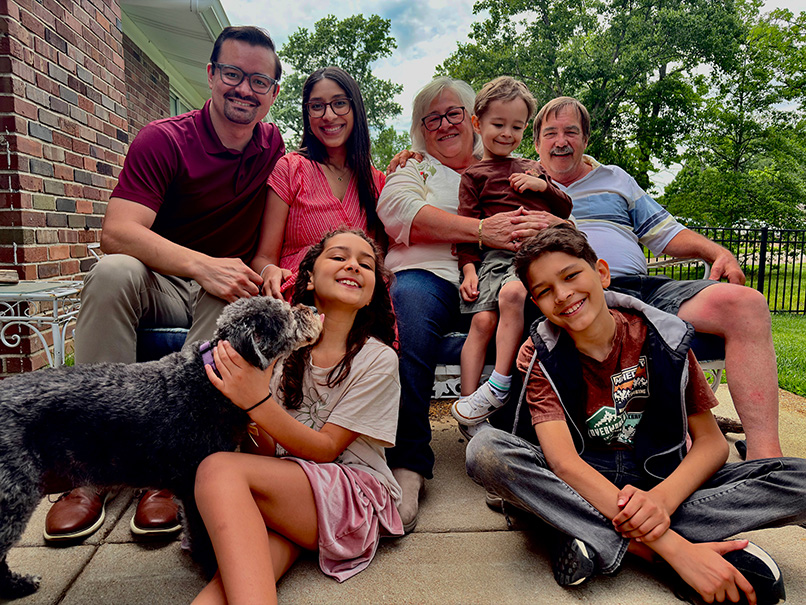
Grew up in South St. Louis, lived in Dogtown for 6 years, now in South County. You'll find us at White Flag Church on Sundays. This is my city, and I know it well.
Questions Buyers Ask Before They Commit
Is Dogtown an official city neighborhood?
Not exactly. The name is widely used for the area that includes Clayton-Tamm, Franz Park, and Hi-Pointe.
What neighborhoods make up Dogtown?
Most local usage points to Clayton-Tamm, Franz Park, and Hi-Pointe.
Why is Dogtown popular with buyers?
It combines strong neighborhood identity with Forest Park access and recognizable city housing stock.
What is Dogtown known for historically?
City neighborhood histories tie the area to clay mining and fire-brick manufacturing.
Should buyers look at the sub-neighborhoods separately?
Yes. Dogtown is a useful umbrella term, but the block feel and housing mix vary across the component neighborhoods.
Want the blunt version of whether Dogtown, St. Louis fits your budget?
No generic pitch. Just a straight conversation about price point, block-by-block fit, and what you would be giving up or gaining here.
Call George · 314.435.1087 Run Affordability FirstComplete St. Louis Home Buyer Guide
From pre-approval to closing day — see the complete buying process with all resources organized by stage.
📚 View Complete Guide