

Last updated October 28, 2026
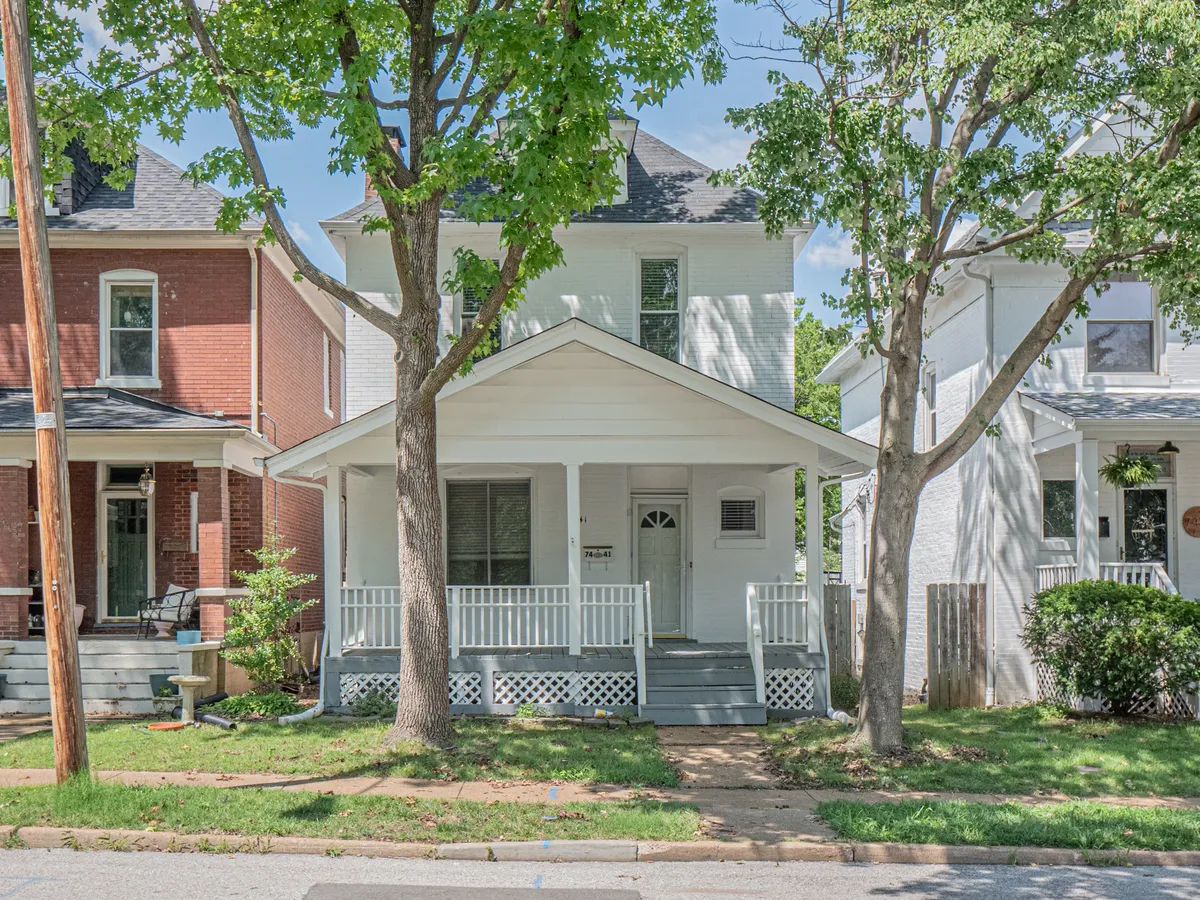
What happens when the seller’s repairs fail the final walk-through? We found out at 7441 Maple Avenue in Maplewood. The house was under contract at $270,000; the buyer’s inspector came back and marked most of the repairs “not resolved,” and the buyer wanted $16,820 off. Here’s how it played out under an actual contract. Step into my seat, make the calls, then read what happened.
What happens when seller repairs fail the final walk-through?
Under the St. Louis contract we used, the buyer can’t simply cancel. The seller gets a chance to cure what the walk-through calls out. But “cured” is often a matter of opinion, and that’s where the leverage goes. This table shows each stage of this sale: the problem, what the contract allowed, what happened and what it cost.
| Stage | The problem | What the contract allows | What happened | Cost |
|---|---|---|---|---|
| Renovation | Subpar work by the investor’s contractor, and repairs the contractor recommended were never done | Nothing yet. This is before any buyer. | The buyer’s inspection exposed both | Set up everything below |
| Inspection | Defects on the buyer’s inspection report | Buyer can terminate, ask for repairs or ask for a credit | Credit offered and refused. Quotes came back late and the inspection period ran down. Seller agreed to repairs. | $6,000 to the original contractor |
| Final walk-through | Buyer’s original inspector marked 26 of 30 items “not resolved” | No termination option. The seller gets a chance to cure. | Same contractor came back to cure. Buyer demanded $253,180. | Closing pushed back |
| Dispute | “Workmanlike manner” came down to opinion: our contractor against her inspector | Fight it, and risk an earnest money dispute if the buyer didn’t perform | Seller had to sell; relisting wasn’t an option. She took the cut. | $16,820 off the price |
The rest of this page walks through each row.
Why did the repairs fail?
For two reasons, and both were in place before any buyer walked in. The investor’s contractor did a subpar renovation, and the investor didn’t complete repairs her own contractor had recommended.
The buyer’s inspection exposed both. Everything that happened after that, the repair bill, the failed walk-through and the price cut, traces back to the original work.
What were the seller’s options after the inspection?
The buyer sent her inspection notice on August 19, 2024. I laid out the seller’s options: let the buyer terminate, make the repairs or offer a credit.
We offered a credit first, and the buyer refused it. By the time the quotes came back from the seller’s contractor, we had run the inspection period down. So the seller agreed to make the repairs. Price reduction after inspection →
Why did the repairs cost her another $6,000?
Her original contractor charged her about $6,000 for the inspection repair list. She was upset; she believed that work should have been included in the original renovation.
That’s the real lesson of this sale. A renovation done cheaply doesn’t save the money. It moves the bill to the inspection, where the buyer sets the list and the deadline. And she paid that bill to the same contractor whose work caused it. What to repair before selling →
Can the buyer bring the inspector to the final walk-through?
Yes. That’s within the buyer’s rights, and this buyer brought back the inspector from her original inspection. On September 20, that inspector marked 4 items resolved and 26 not resolved, and the buyer asked to cut the price from $270,000 to $253,180. She also got a repair quote:
| Item | Quote |
|---|---|
| Bay roof | $3,500 |
| Soffit, fascia and wood trim | $1,700 |
| Handrail | $1,275 |
| Basement waterproofing | $6,700 |
| Tuckpointing | $4,700 |
| Sump discharge repair | $475 |
| Total | $18,350 |
The seller’s contractor saw it more narrowly: a different reason for how the bay roof was finished, work already done on the drain and sump, the handrail it agreed to fix, the original missing mortar addressed rather than the whole wall, and soffit and fascia outside its original scope.
Can a buyer cancel over a failed walk-through?
Not under the St. Louis REALTORS contract. It has no termination option at the walk-through. If the walk-through calls out a problem, the seller has an opportunity to cure it.
So we tried to cure. On September 20, I asked the contractor for paid, itemized invoices and lien waivers, because the bills didn’t say which items were done. Both sides signed an extension of closing to September 27, and the same contractor came back through to make the repairs. Which contingencies buyers keep →
Who decides whether a repair was done right?
No one, cleanly. Repairs have to be done in a workmanlike manner, and that came down to opinion: our contractor said the work was done, and the buyer’s inspector said it wasn’t.
Repair work can be subjective, and the buyer leaned hard on that. The pressure pointed one of two ways: the seller terminates, or the seller takes a $16,820 loss.
Why did the buyer push for $16,820?
In my read, because she had somewhere else to go. Her agent told me she’d found a condo she really liked. That made the demand simple: meet every term, or I don’t move forward.
A buyer with a backup plan negotiates differently from one who needs this house. That shaped the price reduction as much as the repair list did.
Why didn’t the seller fight it?
Because fighting had its own price. Holding out meant arguing workmanship against the buyer’s inspector, and if the buyer didn’t perform, we were heading into an earnest money dispute over her $3,000.
I told the seller she had two choices: close, or fight the buyer’s inspector over the repairs our contractor and her inspector didn’t agree on. She had to sell and get out from under the house, and bringing it back to market wasn’t an option for her. On September 25 she accepted $253,180, and it closed on October 1, 2024.
What did the failed repairs cost her?
About $22,820 against the contract: the $6,000 repair bill plus the $16,820 price cut.
| Step | Amount |
|---|---|
| Accepted contract | $270,000 |
| Inspection repairs (original contractor) | −$6,000 |
| Walk-through price cut | −$16,820 |
| Final sale price | $253,180 |
| Cost of the failed repairs | About $22,820 |
She got a closed sale instead of a failed one. I wasn’t pleased with how this one went, and I’d rather show it than hide it. Most of it was decided before the house was listed.
What should sellers take from this sale?
A cheap renovation gets paid for twice: once at inspection, and again at the walk-through. Know what the contract allows at each step, and know what you can afford to fight.
Should the inspection repairs have been part of the renovation?
The seller thought so, and it’s the core lesson. Repairs skipped or done poorly in a renovation come back on the buyer’s inspection, on the buyer’s timeline.
Why does the inspection deadline matter so much?
Because the clock keeps running while you wait on quotes. Here it ran down before the contractor’s numbers came back, and the seller agreed to repairs rather than lose the buyer.
Does a failed walk-through let the buyer walk?
Not under the St. Louis REALTORS contract. The seller has an opportunity to cure. But if the two sides disagree on whether the work was done right, the buyer can still apply pressure.
When does taking the price cut make sense?
When the seller can’t afford the alternative. This seller had to sell, couldn’t relist, and a fight meant an earnest money dispute.
Questions This Sale Helps Answer
Can a buyer back out after the final walk-through in Missouri?
Under the St. Louis REALTORS contract, the walk-through doesn’t give the buyer a termination option. If it calls out a problem, the seller gets an opportunity to cure. Check your own signed contract.
Can the buyer bring their inspector to the final walk-through?
Yes. In this sale the buyer brought back her original inspector, who marked 26 of 30 items not resolved.
What does “workmanlike manner” mean for repairs?
Done properly, to a reasonable trade standard. It isn’t a precise test, so a seller’s contractor and a buyer’s inspector can disagree on the same repair.
More in this series: Lessons From a Sale · The buyers said no repairs, then asked for $4,000 · $15,000 over asking with no competing offer · Related: What not to repair before selling · Price reduction after inspection · Maplewood

Grew up in South St. Louis, lived in Dogtown for 6 years, now in South County. You’ll find us at Wellspring on Lindbergh on Sundays. I'm not selling you a house — I'm showing you how to think about buying or selling a house.